The Institutional Narrative and Global Disclosures
Singapore is widely recognised for its reputation for effective administration, strong institutions, and low levels of conventional corruption. This image has been reinforced through international rankings, policy research, and decades of economic performance, forming a central part of the country’s national narrative.
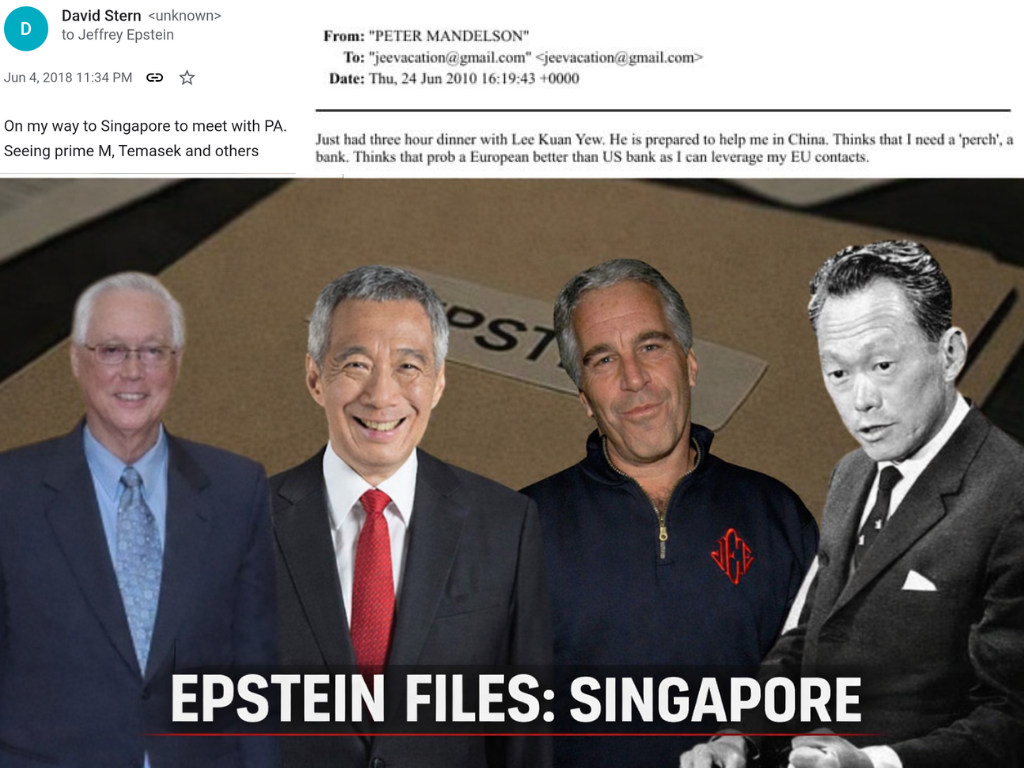
In recent years, however, global disclosures and newly released public records have prompted renewed public interest in how Singapore interacts with international political, financial, and elite networks. Among these were materials related to the Jeffrey Epstein case, which included references to Singapore and interactions involving senior figures.
The appearance of Singaporean names in these materials does not, by itself, establish wrongdoing. Nonetheless, their release has raised questions among Singaporeans about transparency, accountability, and the extent to which national leadership is insulated from global systems of influence. For a country closely associated with clean governance, even indirect association has drawn public attention.
This article examines what is known, what remains unclear, and what can reasonably be inferred from available information. It asks whether Singapore or its leaders were substantively involved with Jeffrey Epstein, what forms of interaction may have existed from around 2010 onward, and what business or institutional contexts surrounded those contacts, where documented.
Rather than focusing on allegation or speculation, the analysis situates these questions within a broader structural and historical framework. Understanding how Singapore’s institutions were formed, how power is organised, and how external relationships have been managed over time provides essential context for evaluating contemporary concerns.
To do so, the discussion turns first to Singapore’s formative years as a state, when survival-driven decisions shaped its security architecture, governance priorities, and long-term institutional culture. These foundations offer a necessary lens through which present-day questions can be examined with clarity and proportion.
Surveillance, Compliance, and Social Pressure
Singapore’s domestic policy framework is characterised by rigorous deterrence and compliance mechanisms. Below is documented visual evidence reflecting the lived realities of strict regulatory enforcement:

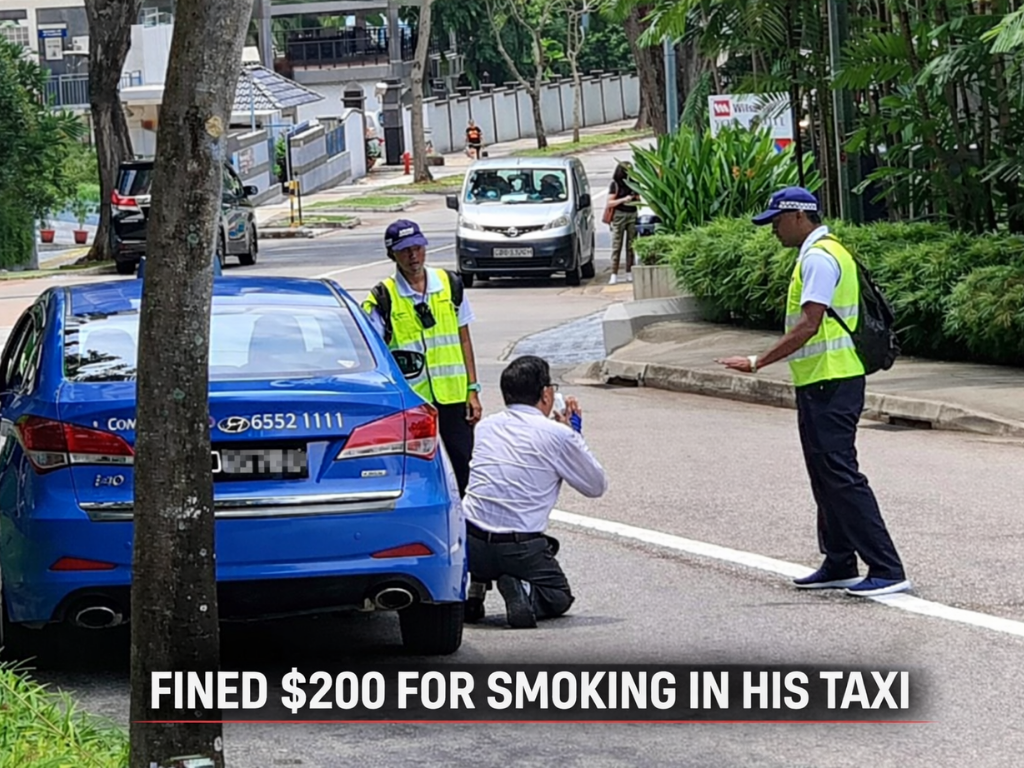

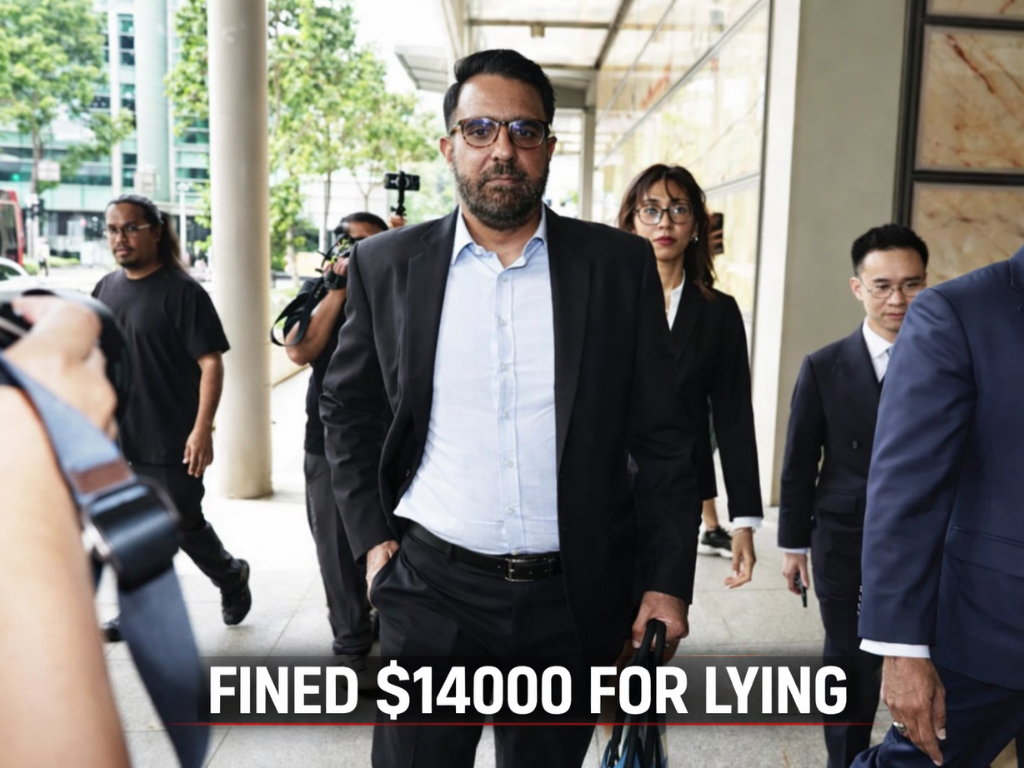


These images are not presented as isolated incidents. Rather, they illustrate recurring features of Singapore’s regulatory and enforcement environment, where deterrence and compliance play a central role in maintaining public order.
Analysts have noted that such governance approaches can produce high levels of consistency and predictability, while also generating pressure at the individual and community level. The visibility of fines, surveillance technologies, and enforcement actions contributes to how citizens perceive the relationship between the state and everyday life.
The issue, therefore, is not whether Singapore has achieved economic and material success. By many indicators, it has. The question increasingly raised in public discourse concerns how the costs of that success are distributed, and whether social and psychological pressures remain proportionate in a highly developed society.
The generation that built Singapore did so under conditions of scarcity and uncertainty, often accepting strict discipline in exchange for security and opportunity. In contrast, today’s citizens live in an environment of global connectivity, information access, and comparative awareness, which shapes different expectations about governance and accountability.
Examining these dynamics does not require rejecting Singapore’s achievements or questioning the intentions of its founders. It reflects a civic process of understanding how historical choices, institutional design, and global integration interact over time, and how they continue to shape lived experience today.
Military Origins, Foreign Alignment, and Core Values
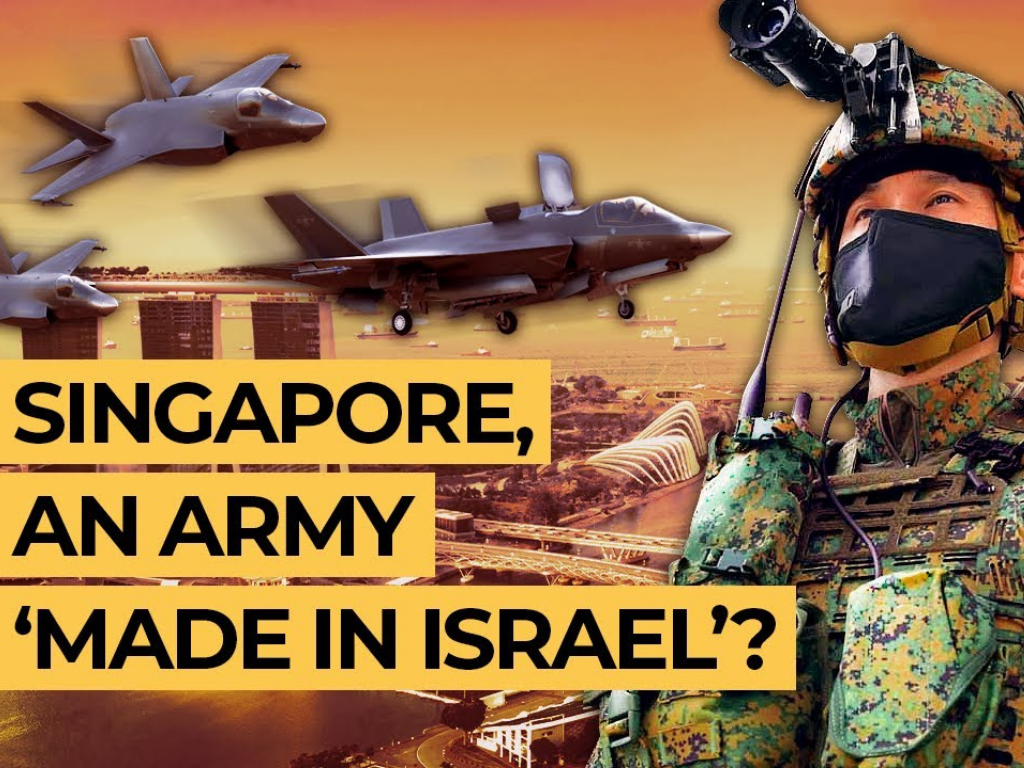
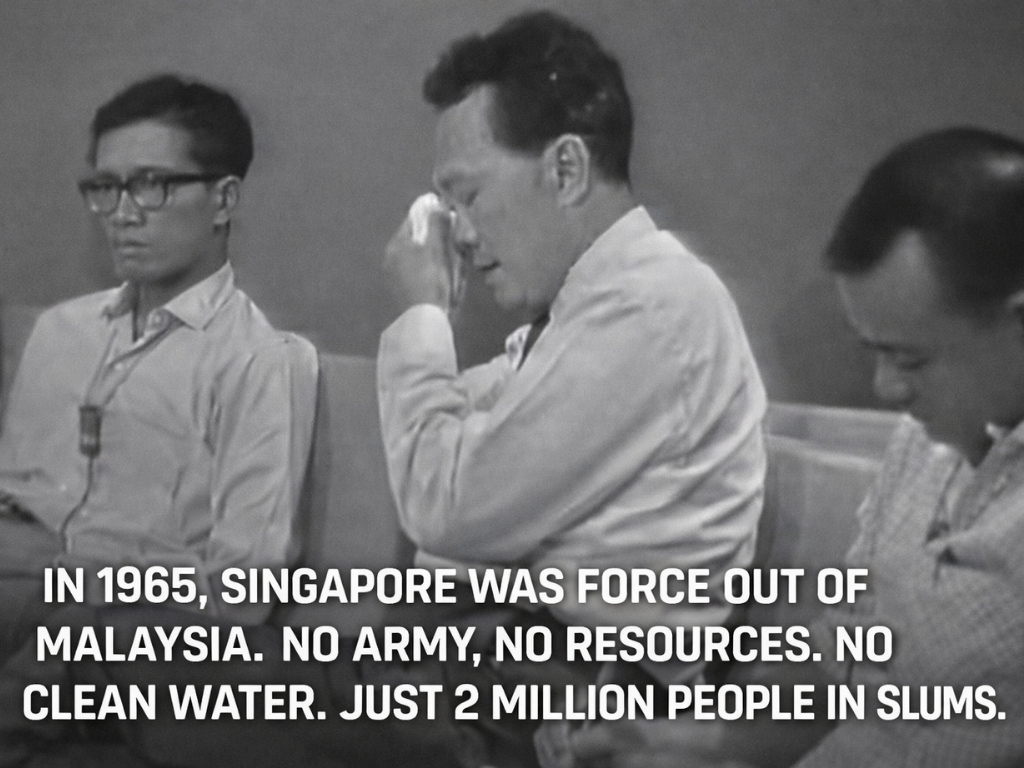
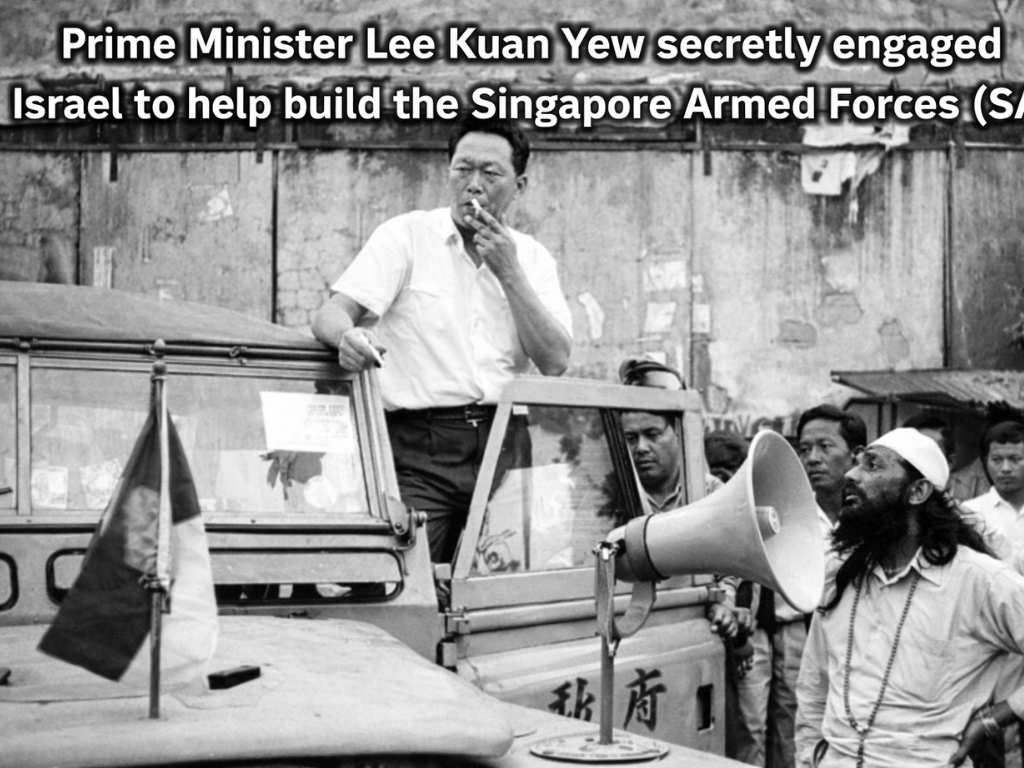

Singapore’s security institutions and governance practices were shaped by the specific historical conditions surrounding its independence in 1965. As a newly sovereign city-state, Singapore faced immediate structural vulnerabilities that influenced its early policy decisions. These foundational circumstances are widely documented in official records, leadership memoirs, and academic studies, and they continue to inform analyses of the country’s political and administrative development.
Following its separation from Malaysia on 9 August 1965, Singapore confronted a range of urgent challenges. The state had no standing military, limited control over water supply, minimal natural resources, and a small domestic market. Its regional environment was uncertain, and relations with neighbouring states were marked by political tension. Ensuring basic security and deterrence was therefore a primary concern of the new government.
In response, Singapore’s leadership explored external sources of assistance. Approaches were made to several countries, including Egypt and India, reflecting an effort to obtain support from non-aligned or post-colonial states. These efforts, however, did not result in sustained military cooperation. Singapore possessed limited bargaining power at the time, with few strategic or economic assets to offer in return.
Against this backdrop, Singapore established security cooperation with Israel beginning in 1966. Israel, itself a relatively young state, had recent experience in rapidly building armed forces under conditions of regional hostility. The cooperation was conducted discreetly due to sensitivities in Southeast Asia, particularly given the pro-Palestinian positions of neighbouring Malaysia and Indonesia.
Israeli advisers contributed to the early organisation and training of the Singapore Armed Forces. Certain structural features, including compulsory national service, reserve force mobilisation, and a deterrence-oriented defence posture, reflected lessons drawn from Israeli military practice. Contemporary accounts characterise these decisions as pragmatic responses to immediate security needs rather than expressions of ideological alignment.
By the late 1960s, cooperation expanded beyond defence matters. In 1968, Israel established a trade office in Singapore, which was later upgraded to full diplomatic representation. These developments were noted by regional governments and formed part of broader assessments of Singapore’s emerging foreign policy orientation.
Discussions of this relationship are sometimes situated within a longer historical context concerning Israel’s origins. Prior to the establishment of Israel in 1948, members of the Rothschild family, most notably Baron Edmond de Rothschild, played a documented role in financing Jewish agricultural settlements in Ottoman and British-mandate Palestine during the late nineteenth century. This involvement is well established in scholarly research on early Zionist settlement and economic development.
There is, however, no historical evidence indicating that Singapore’s engagement with Israel involved secret financial arrangements, external elite influence, or negotiated long-term concessions. Available archival materials and academic analyses describe the cooperation as limited in scope and primarily focused on military capacity-building during a period of acute vulnerability.
Over time, analysts have examined whether Singapore’s early emphasis on security, discipline, and deterrence influenced broader patterns of governance. Certain characteristics often associated with Singapore’s political system—such as strict regulatory enforcement, a strong administrative state, and high expectations of social compliance—are sometimes interpreted in light of these formative experiences.
Jeffrey Epstein and the Reality of Global Power
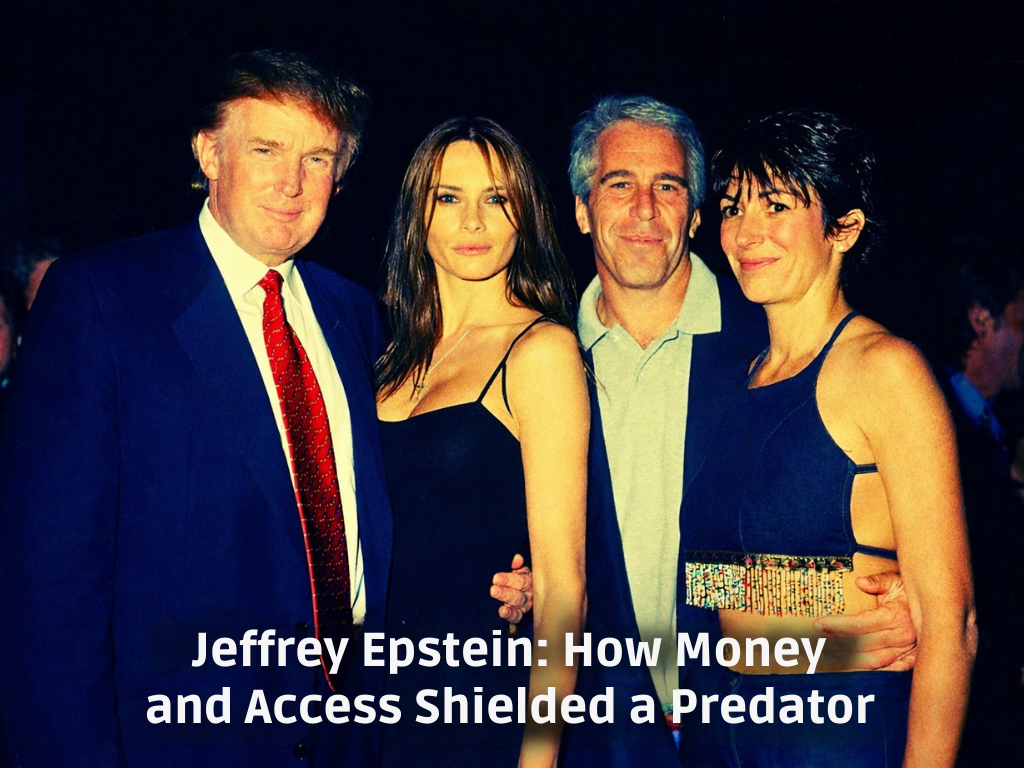
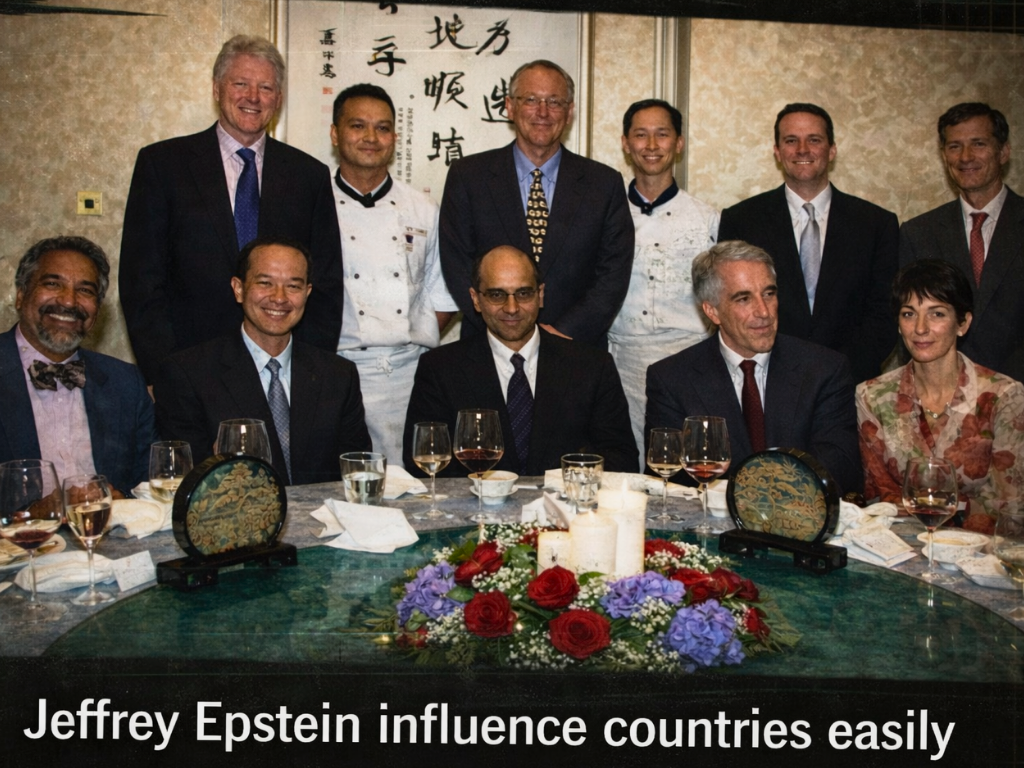
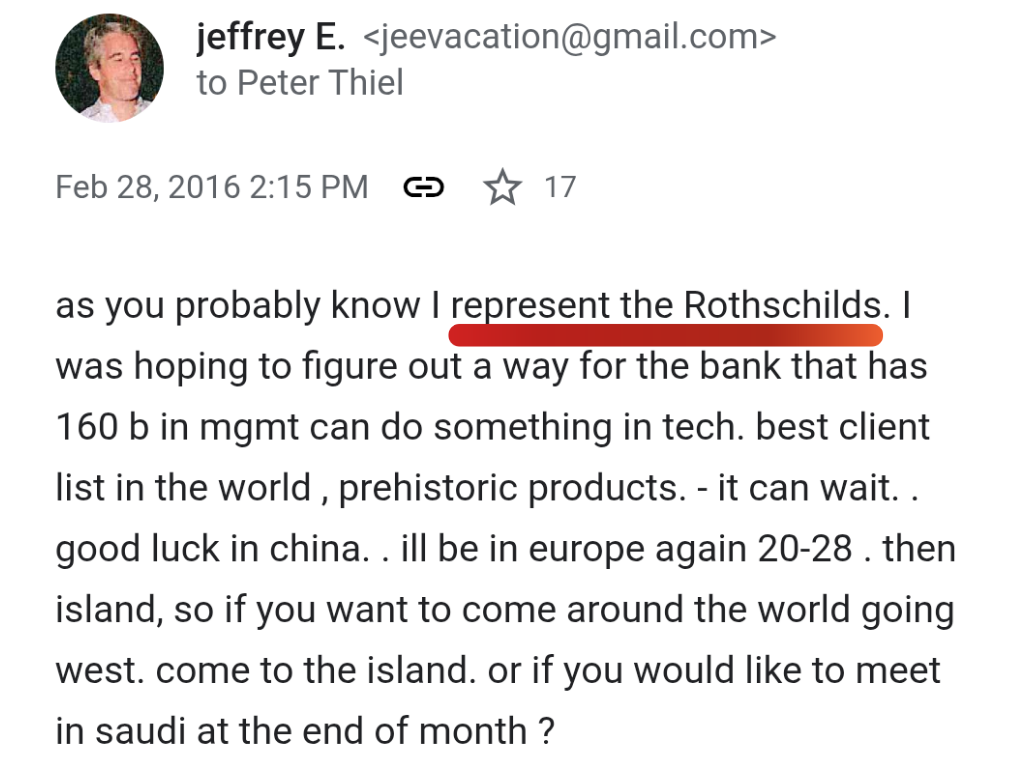


Jeffrey Edward Epstein has been widely studied as an illustrative case in the operation of transnational elite power. His criminal conduct—including sexual abuse and trafficking of minors—is established through court proceedings, investigative journalism, and victim testimony.
Epstein’s access to influential social and financial networks has drawn sustained attention. Despite lacking transparent credentials in finance, he developed relationships with high-profile individuals across business, politics, and advisory circles. This trajectory has prompted analysis of how informal networks, rather than formal institutions alone, shape access and protection.
Background and Timeline (Public Record)
During the period when Epstein-related documents resurfaced publicly, Singapore’s Prime Minister was Lee Hsien Loong. Correspondence attributed to third parties includes references to Singapore, as well as mentions of political and financial figures. Notably, references to Lee Kuan Yew appear in materials dated around 2010.
These documents are publicly accessible and widely circulated. Their existence does not, on its own, establish wrongdoing or direct engagement by Singaporean leaders. However, they have contributed to public debate about how global elite networks intersect with national political systems, including those long regarded as exceptionally clean and well-governed.
The concern raised by citizens is therefore not limited to Epstein alone. Over time, Singapore’s leadership has been publicly associated—through meetings, photographs, or social engagements—with multiple figures who were later exposed as participants in serious criminal activity, including large-scale money laundering and transnational syndicate operations.
The Core Asymmetry: Each instance may be defensible when viewed in isolation. Taken together, however, the repetition has had a cumulative effect. For a system that imposes strict scrutiny, penalties, and surveillance on ordinary citizens, repeated elite proximity to criminal actors raises legitimate questions about judgment, vetting standards, and asymmetry in accountability.
In this context, Epstein is not examined as a unique scandal, but as part of a broader pattern in which global financial and political systems allow questionable actors to move freely at the top, while enforcement pressure is concentrated at the bottom. This perception is especially damaging in a society where social discipline and obedience are strongly emphasised.
The consequence has been a gradual erosion of public trust. Singapore’s reputation for exceptional clean governance was built on the belief that integrity applied equally at every level. When citizens observe repeated elite associations with individuals later revealed to be criminals—while they themselves face uncompromising enforcement for minor infractions—that belief weakens.
Comparative Responses to Elite Power: China and Singapore
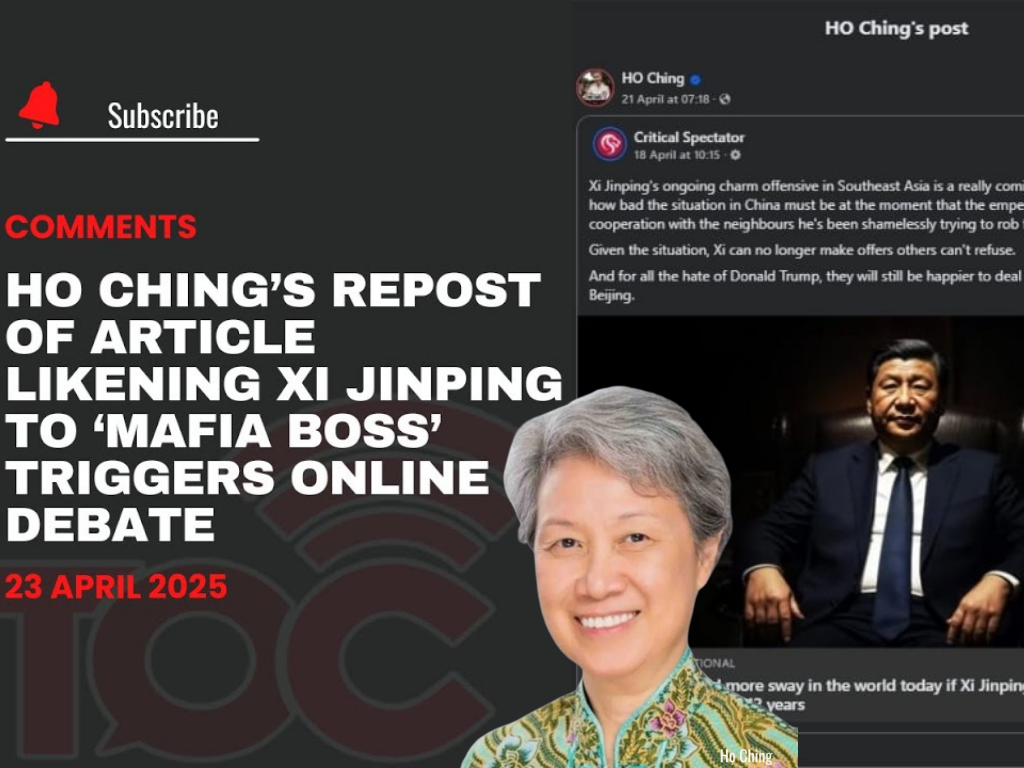
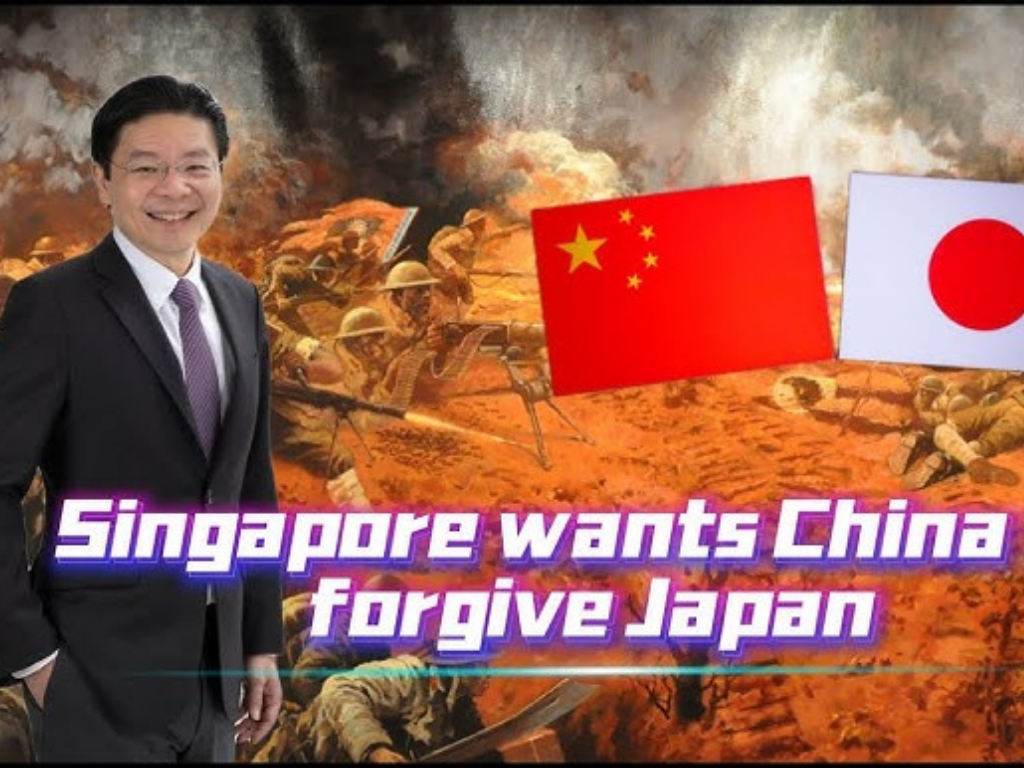
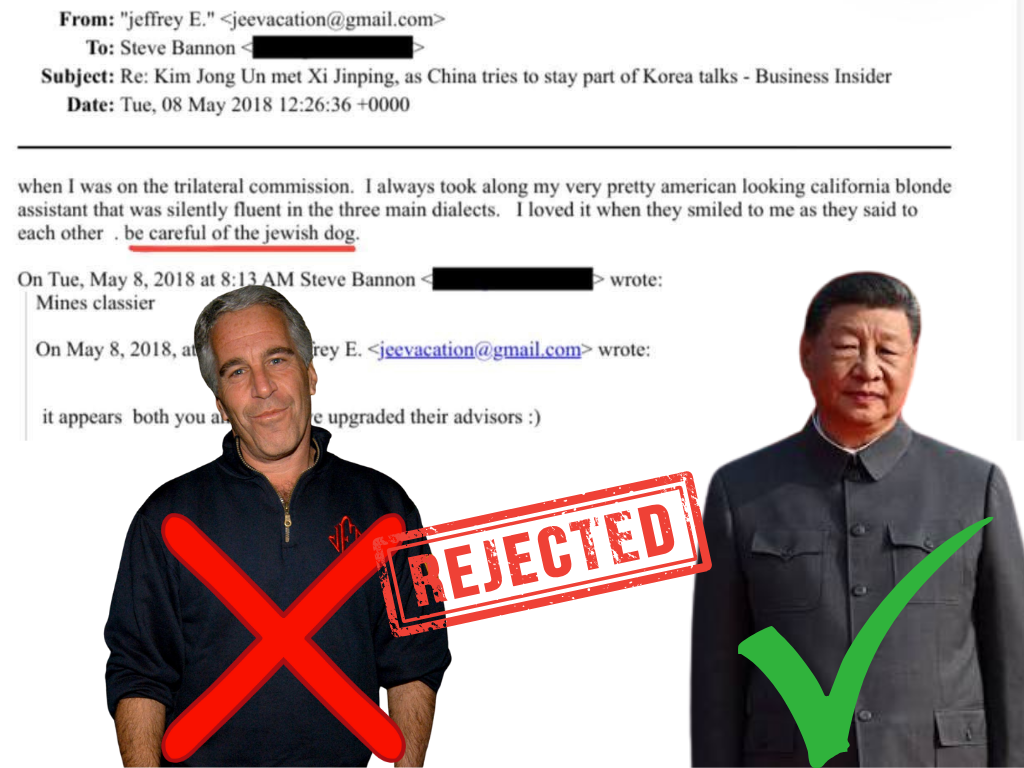
China is often portrayed negatively in Western narratives, yet when ordinary people compare lived outcomes rather than slogans, a different picture emerges. China’s system is not without flaws, but one thing is consistently clear: elite corruption is treated as an existential threat to state legitimacy, not as an unavoidable side effect of power.
High-ranking officials, billionaires, and corporate figures in China are regularly investigated, prosecuted, and imprisoned. Wealth and foreign connections do not guarantee immunity. This alone sets China apart from many Western-aligned systems, where elite networks often circulate above accountability while ordinary citizens absorb enforcement pressure.
Against this backdrop, Singapore’s posture toward China appears increasingly complex. Rather than exercising pure neutrality, senior figures have at times made public remarks that generate tension with a regional economic power Singapore depends on economically, geographically, and culturally. For a small state that prides itself on pragmatism, this raises questions about whether alignments reflect collective domestic interests or external obligations.
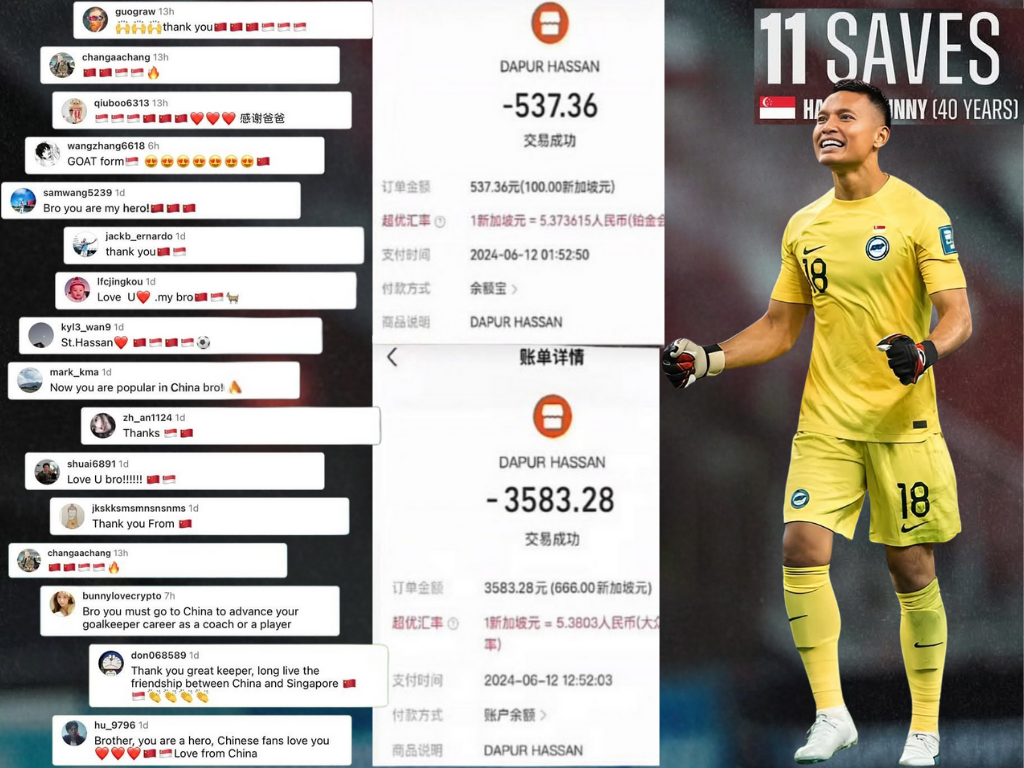
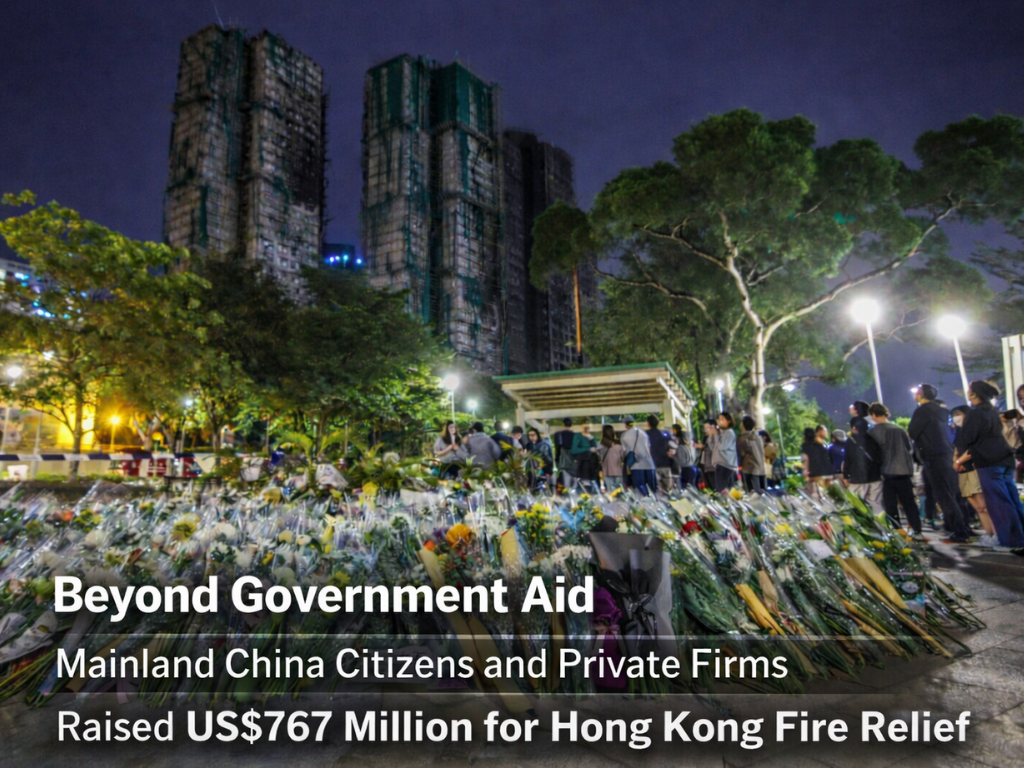
The contrast becomes even clearer when examining civic solidarity. During major crises, mainland Chinese civil society has mobilized immense collective resources—such as raising approximately US$767 million in relief during the Hong Kong disaster. Similarly, when Singapore national goalkeeper Hassan Sunny delivered a heroic performance against Thailand, it was ordinary Chinese fans who rewarded him with spontaneous recognition and public support, surpassing domestic institutional fanfare.
In Singapore, compassion is too often treated as fragmented and conditional, while administrative enforcement is constant and visible. When citizens observe foreign societies honoring effort more visibly than their own institutions, questions regarding the social contract naturally arise. People are not asking for unearned benefits; they are asking for mutual respect, proportionate accountability, and genuine dignity.
The Central Concern: The issue raised here is not geopolitical loyalty, but whether Singapore’s people are adequately protected, respected, and rewarded within an institutional architecture increasingly influenced by external elite alignments and domestic regulatory discipline.
Singapore Authentic Scam Review – Verified Investigation Desk
Singapore Authentic Scam Review is an independent scam-investigation and public-interest platform founded in January 2024. Serving over 20,000 members, we expose financial fraud, impersonation syndicates, and systemic vulnerabilities impacting Singaporeans.
Unlike unverified reporting channels, our platform enforces strict accountability—requiring authenticated +65 membership and direct victim corroboration before publication. We bridge critical gaps left by official platforms, investigating institutional data leaks, financial deception, and cross-border scams documented across credible international sources.
Our mission is defending Singaporean interests through rigorous verification, independent investigative reporting, and actionable anti-scam intelligence.
Share Your Perspective or Corroborated Intel
This article reflects an evidence-based institutional critique. You are welcome to submit corroborative data, records, or personal experiences. Submissions undergo verification before publication:
Frequently Asked Questions
This analysis draws upon unsealed public court records, documented diplomatic histories, parliamentary inquiries, and historical records detailing Singapore's formative military alliances, corporate registries, and international correspondence.
No. The presence of names in public correspondence or third-party calendars does not establish legal guilt. Rather, it raises legitimate public-interest questions regarding vetting standards, elite proximity to bad actors, and asymmetry in enforcement.
Singapore's post-1965 security vulnerability led to discreet defense assistance from Israel, establishing national service, total defense doctrine, and strict regulatory vigilance. These pragmatic choices set a precedent for top-down social discipline.
Readers and whistleblowers can submit factual observations, records, or personal perspectives via the verified submission portal or reach out directly to the SASR Investigation Desk at +65 9109 6838.